Peshawar marble wholesalers aggregate slabs and blocks from Buner, Swat, Dir, Mohmand, and Bajaur into the province’s largest urban stone market. Learn how to buy from Peshawar without losing traceability—or overpaying for middle layers.
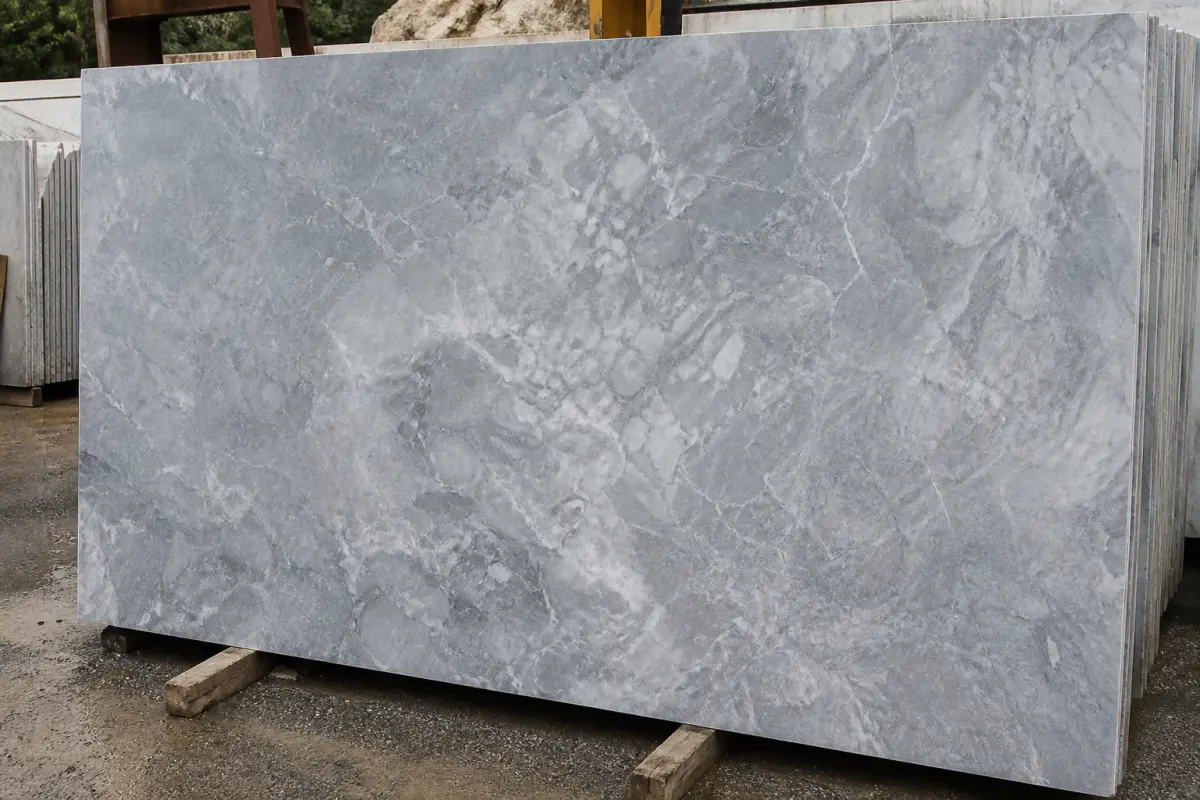
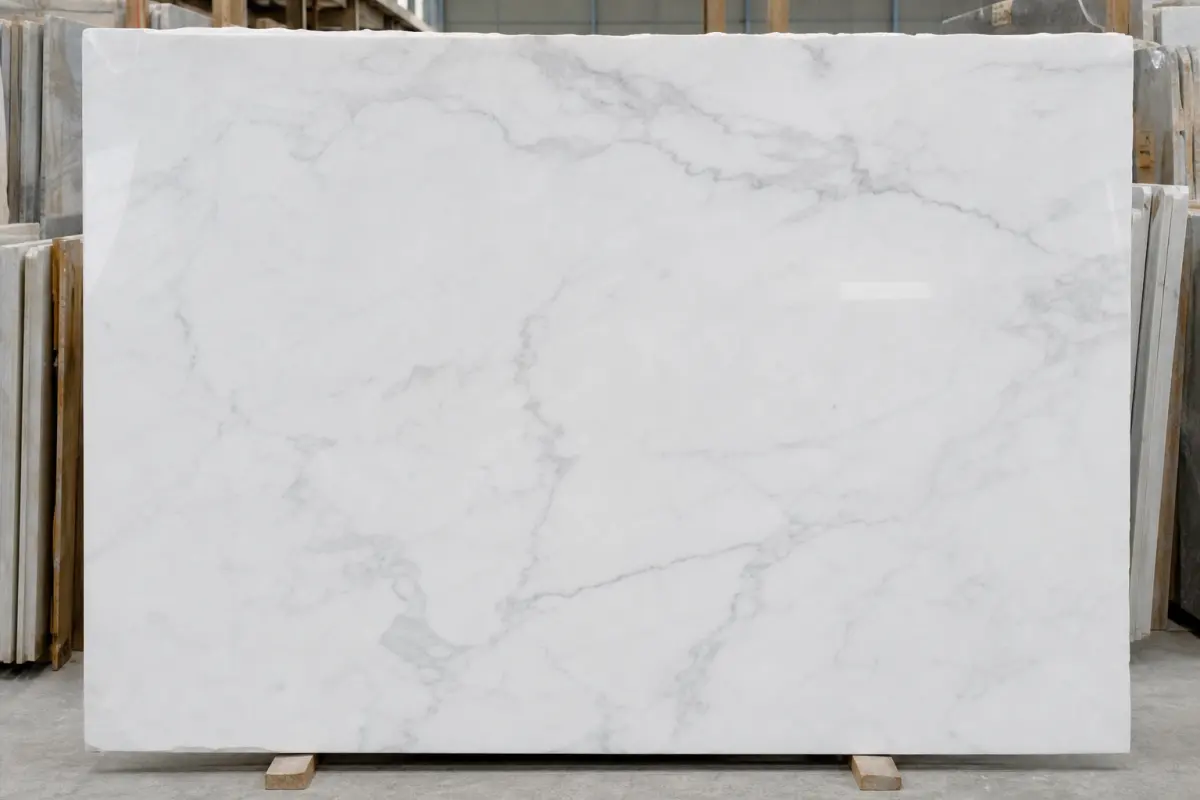
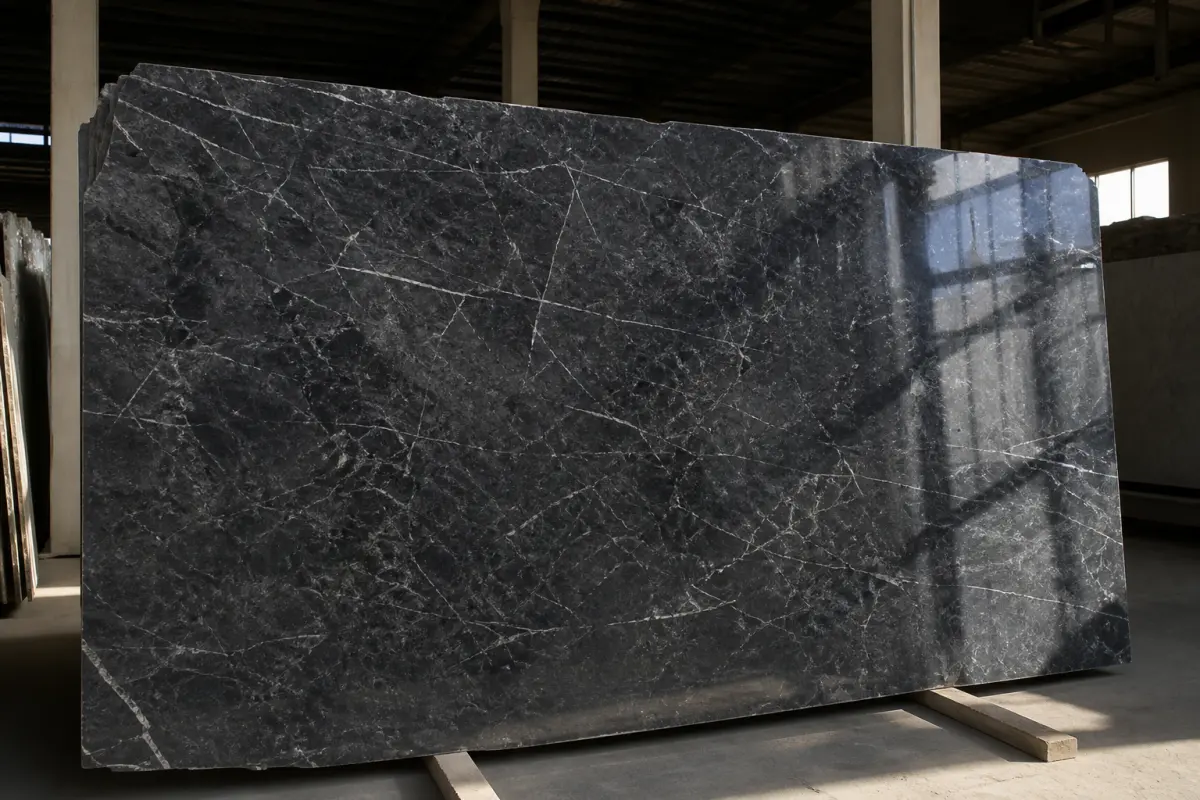
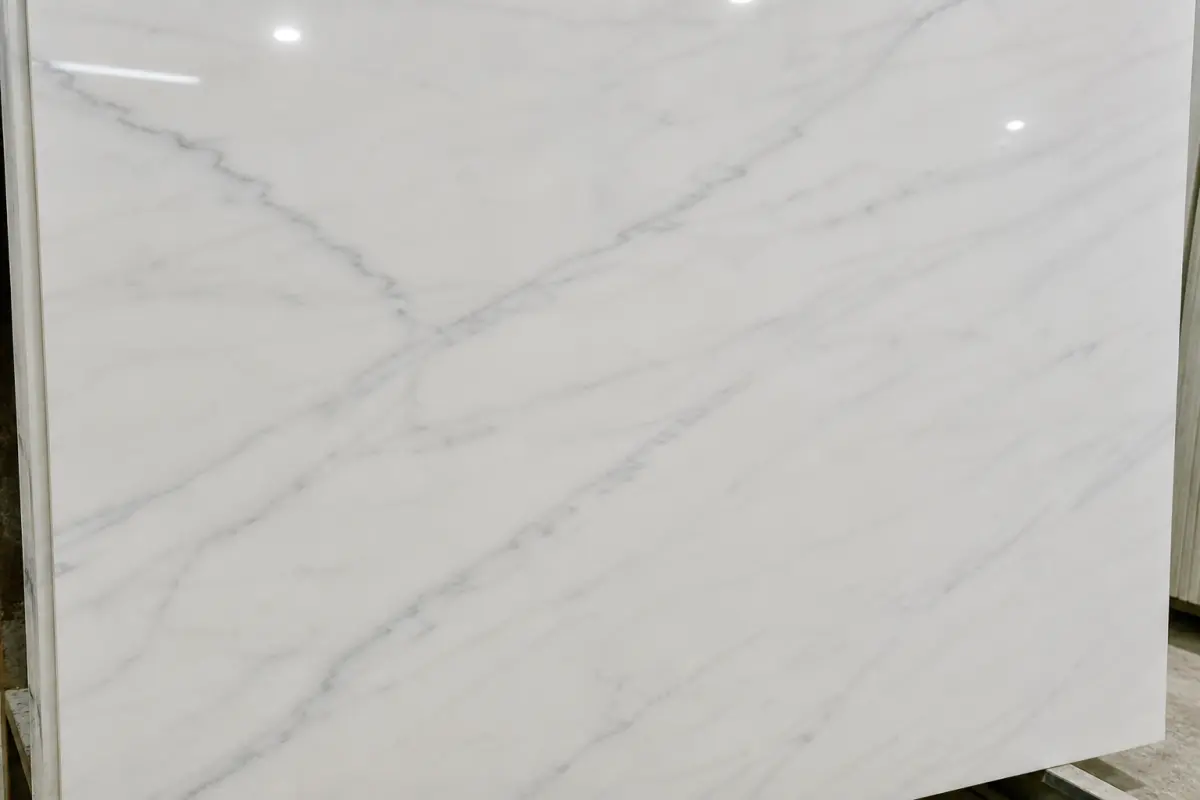
Peshawar marble wholesalers are the retail and export-facing layer between Malakand’s hundreds of factories and the buyer who lands in Karachi or Dubai with a BOQ and a deadline. Yard after yard in and around Peshawar stock Buner whites and greys, Swat greens and banded marbles, Dir granite slabs, Mohmand white-green, and Bajaur Nawagai grey-white—often sorted by commercial name rather than strict GPS origin. Wholesalers solve fragmentation: one invoice, one loading point, one relationship. The cost is margin and, sometimes, shade drift unless you enforce bundle traceability.
Smart importers use Peshawar for speed and aggregation, then migrate high-volume SKUs factory-direct in phase two. StoneVaults compresses that learning curve by showing which wholesaler or factory actually holds inventory before you wire funds.
How Peshawar links Buner, Swat, and Dir quarries
Trucks from Torwarsak and Swari arrive with polished slabs and raw half-slabs. Swat material may never have been priced in Mingora once Peshawar margin is applied. Dir granite rides south through Mardan corridors. The wholesaler’s value is sorting, display, and immediate pickup for regional contractors building in Peshawar, Mardan, and Islamabad-corridor cities. Export buyers gain container stuffing coordination when the wholesaler owns relationships with Karachi forwarders.
Traceability questions mirror factory-direct buying: ask which Buner factory saw your Bampokha white bundle, whether Swat green is single-lease, and whether Dir granite is labelled by quarry or generic “KP granite.”
Pricing Peshawar marble wholesalers fairly
Wholesale quotes embed upstream block cost, factory polish, Peshawar yard carry, and supplier margin. Compare against ex-Torwarsak plus trucking you arrange—savings appear at container scale. Small architect lots may be cheaper in Peshawar once you value your time. Tax-compliant wholesalers pass through sales-tax rules affecting formal mills upstream—non-compliant cash quotes may fail your bank’s import documentation.
Electricity and production delays in Buner still propagate to Peshawar stockouts—read Buner load shedding to interpret “out of stock” notices that are really power-queue issues.
Working with wholesalers on export programmes
Specify crate standard, fumigation if required, and port handoff (Karachi). Request pre-stuffing photos with bundle numbers matching proforma invoice. For mixed containers, define acceptance rules per SKU—grey-white Bajaur beside Buner white is fine architecturally but must be priced as two lines.
- Get factory or quarry declaration in writing for each SKU line.
- Visit yard before large transfer; WhatsApp colour is unreliable.
- Use Mardan partners for re-polish if yard stock finish is dull—see Mardan hub guide.
- Cross-check Torwarsak map when wholesaler claims exclusive factory tie—supplier map.
Use StoneVaults alongside Peshawar yards
Publish RFQs on StoneVaults with delivery Peshawar or FOB Karachi; wholesalers and factory-direct suppliers bid together. You keep Peshawar convenience while benchmarking against Torwarsak ex-mill numbers. Contact flows through StoneVaults preserve spec history for repeat hotel or tower programmes—critical when the same wholesaler rotates stock from new quarry faces season to season.
Urban logistics: Peshawar to Karachi and beyond
Wholesalers coordinate with Karachi packing agents familiar with export crate norms—A-frames, foam, and container weight limits for mixed marble and granite. Clarify who insures in-transit breakage on the long GT Road haul. Some importers fly to Peshawar for approval, then stuff in Karachi without returning north—ensure video continuity between approval bundle and stuffing bundle numbers.
When wholesalers beat factory-direct (and when they do not)
Wholesalers win on sub-container diversity, immediate pickup, and credit relationships with regional builders. Factories win on repeat export white at ten containers plus with fixed shade protocol. Hybrid strategy: wholesaler for phase-one sample walls, Torwarsak direct for phase-two towers—document shade bridge between phases with retained sample tiles in Peshawar vault storage.
Read Mardan hub and Buner guide before negotiating exclusive wholesaler claims; exclusivity is rare when the same block moves through open market trucks daily.
Peshawar’s urban stone economy also feeds Afghan-border regional demand and domestic renovation—seasonal spikes around construction weather can empty grey-white yards fast. Lock bundles with deposit when BOQ approval completes, not when masons mobilize. Wholesalers who also run small saw lines may offer custom cut for stair treads; document tread thickness and nosing separately from floor slab lines.
Credit terms vary; export buyers on LC should not assume Peshawar wholesaler credit applies to FOB Karachi contracts. Separate domestic and export commercial terms in the same supplier relationship to avoid mixed invoices that banks reject.
Architects walking Peshawar yards should photograph bundle IDs in daylight and note yard name—two adjacent yards may sell visually similar Buner white with different factory upstream. Wholesalers linking Buner, Swat, and Dir quarries win when they document that chain; you pay for aggregation, not mystery.
Digital RFQ versus yard negotiation
Peshawar marble wholesalers still close deals on handshake trust; StoneVaults adds paper trail for importers whose HQs demand audit history. Use both: yard for tactile sample, platform for PO, amendments, and stuffing photos. Wholesalers increasingly respond to RFQs when export margin justifies documentation overhead.
Karachi forwarding agents often maintain preferred Peshawar yard contacts—introduce your forwarder early so crate dimensions match container type before wholesaler builds frames to old specs. Mis-sized A-frames delay stuffing and breathe dust onto repolished faces.
When wholesalers link Buner, Swat, and Dir quarries, request separate proforma lines per origin district—customs and client audits increasingly ask for traceability even on decorative stone.
Repeat buyers should refresh vetting every two years—factory ownership, tax registration, and blade equipment change faster than old sample boards suggest.
Keep yard visit notes in the same folder as stuffing photos for each container reference.