Pakistan’s marble map spans Buner whites, Swat greens, Ziarat greys, Balochistan creams, and more. This colour-by-district guide helps buyers match commercial names to origins and StoneVaults SKUs for RFQs.
Pakistan exports and consumes marble under dozens of commercial names—Bampokha, Badal, Super White, Ziarat, Swat green, Mohmand variants, Punjab cream limestones that traders call marble on BOQs. For a buyer new to the country, the colour chart feels like folklore. For a seasoned importer, it is still easy to mis-map a district when a trader re-labels grey block from one lease to match last year’s winning sample. This guide organizes white, grey, black, green, and cream families by the districts that actually supply them, with links to live SKUs and research on the Malakand cluster that still processes much of KP’s tonnage.
Use it as a sourcing map, not a geological survey: verify every lot with samples, especially when names cross district lines on truck invoices.
White marbles: Buner, Swat corridor, and beyond
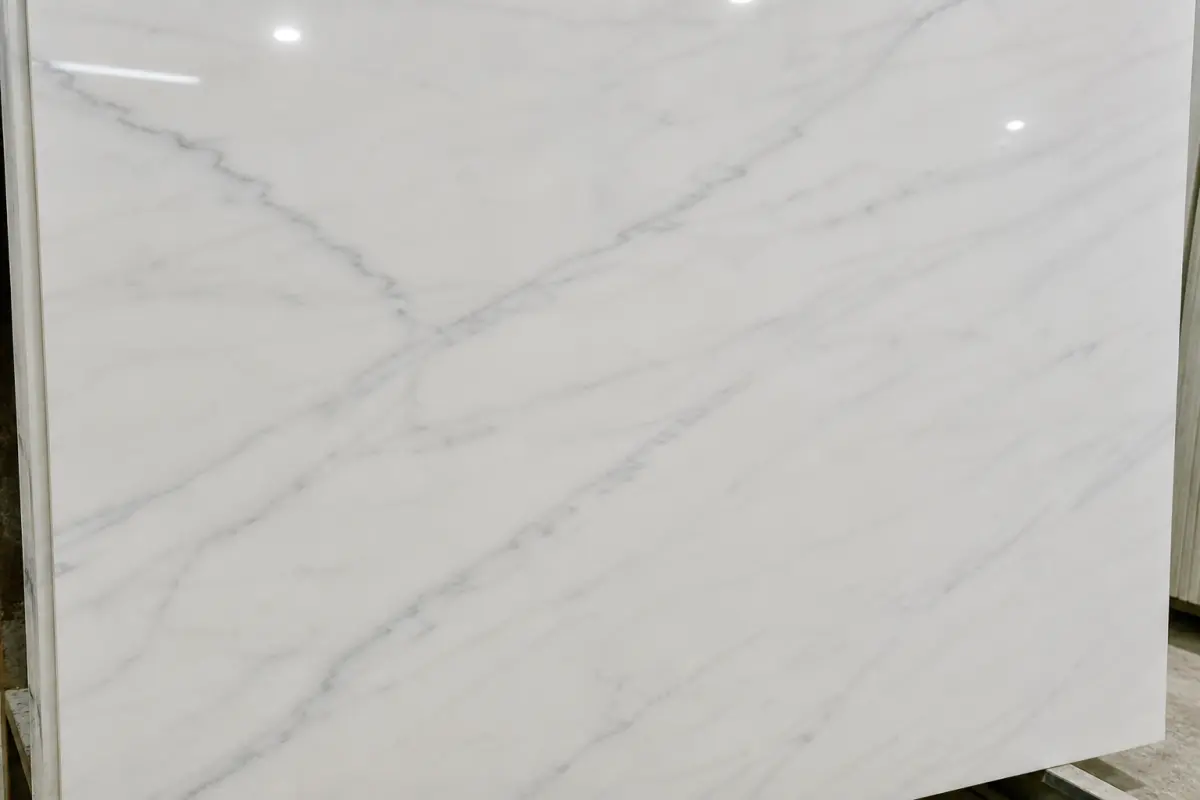
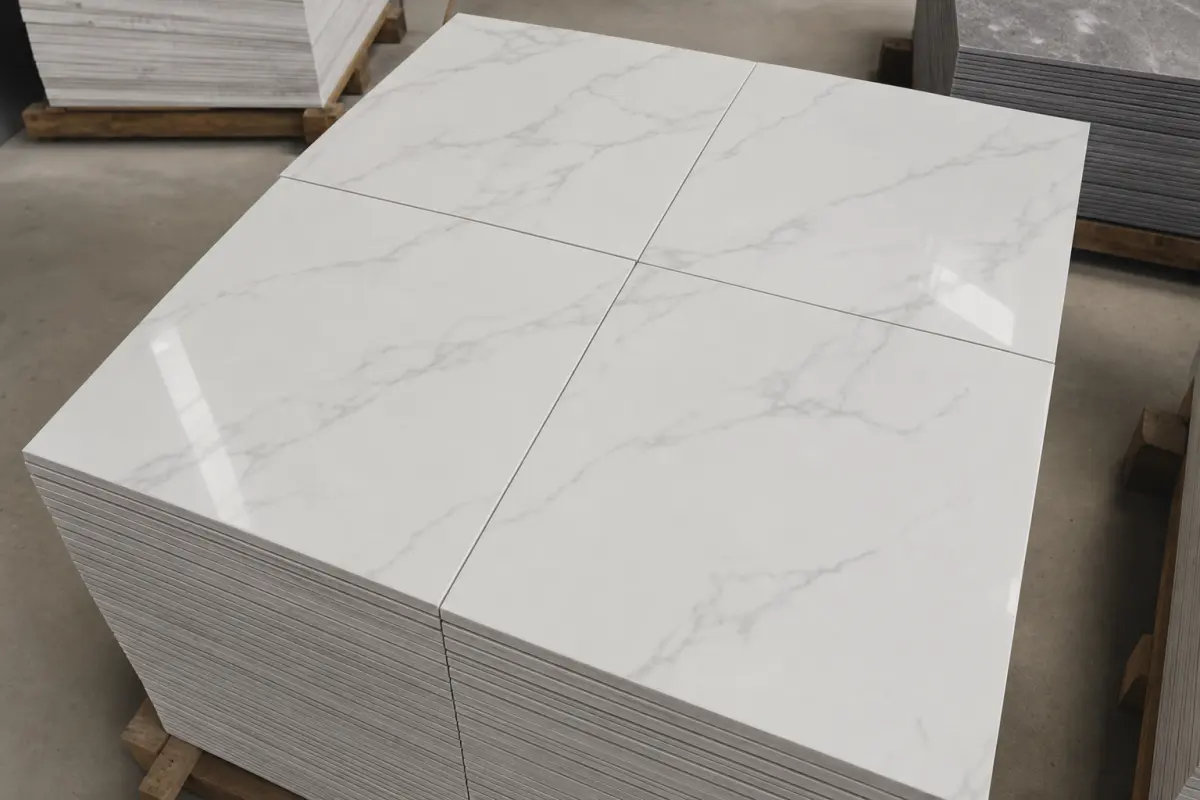
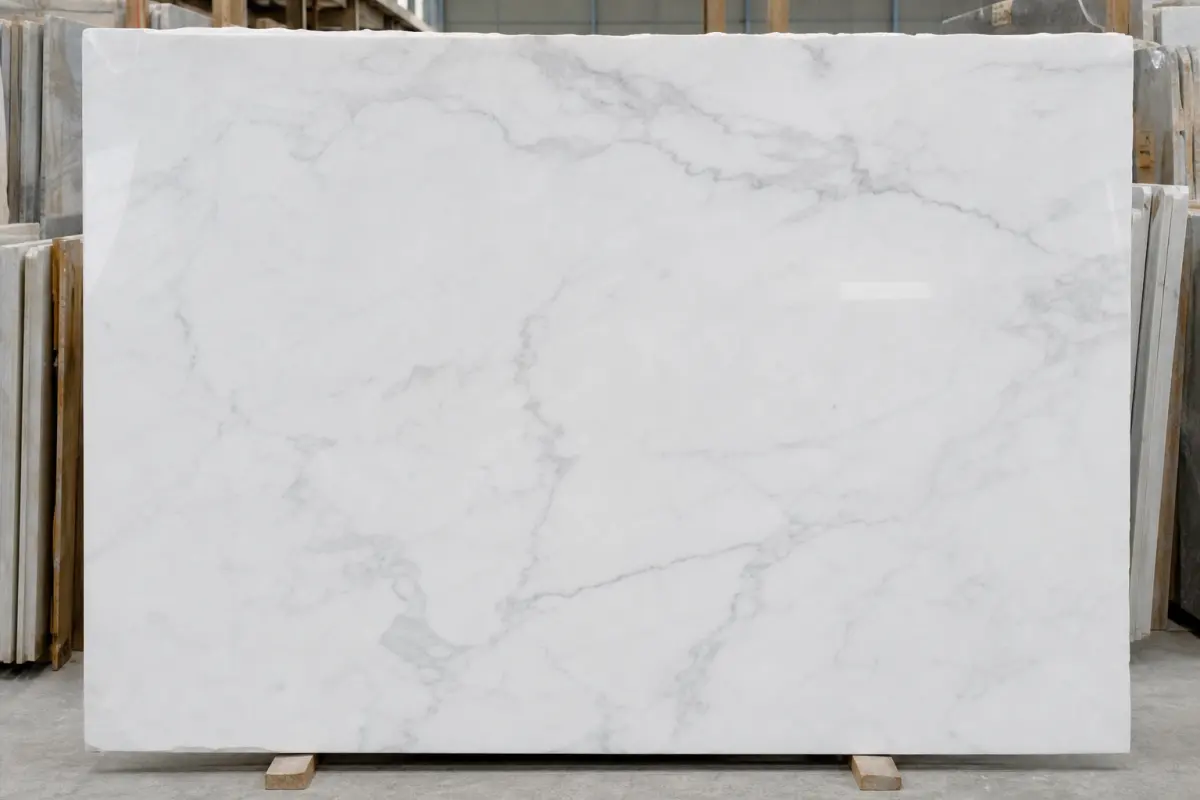
Buner (Malakand Division, KP) is the densest processing hub—Bampokha / Pumpoo Sunny White families, Super White selections, Carrara-type whites on polish lines. Start with Bampokha No.1 white slabs and Super White Buner for export-grade brightness; use 60×60 white tiles for modular domestic and hotel floors.
Swat and adjacent KP valleys supply whites that trade alongside Buner on the same trucks; confirm quarry vs factory on RFQs. Ziarat and Balochistan belts offer whites with softer grey undertones—compare against Buner when Quetta or Karachi delivery dominates logistics.
White buyers should read Malakand cost context: factory tax research, electricity and load shedding, and quarry extraction methods—they explain price spread among whites with similar photos.
Grey marbles: Badal, Sunny Grey, Ziarat grey
Buner greys centre on Badal / Sunny Grey commercial names—volume floor stone. Spec Badal grey slabs when you need a reference SKU. Ziarat grey competes for domestic projects in southern Pakistan; sample side-by-side with Buner greys before you lock a district. Punjab and other KP greys appear in regional trade; treat names as provisional until slab photos arrive.
Black marbles: Buner, Bajaur, Mohmand links
Nanser-family jet blacks from Buner and merged-district leases feed vanity and feature-wall work. Listings such as black marble slab Buner anchor RFQs. Black volume is smaller than white; expect lot-based buying and stronger streak tolerance unless you pay for tight selection.
Green marbles: Swat and decorative KP belts
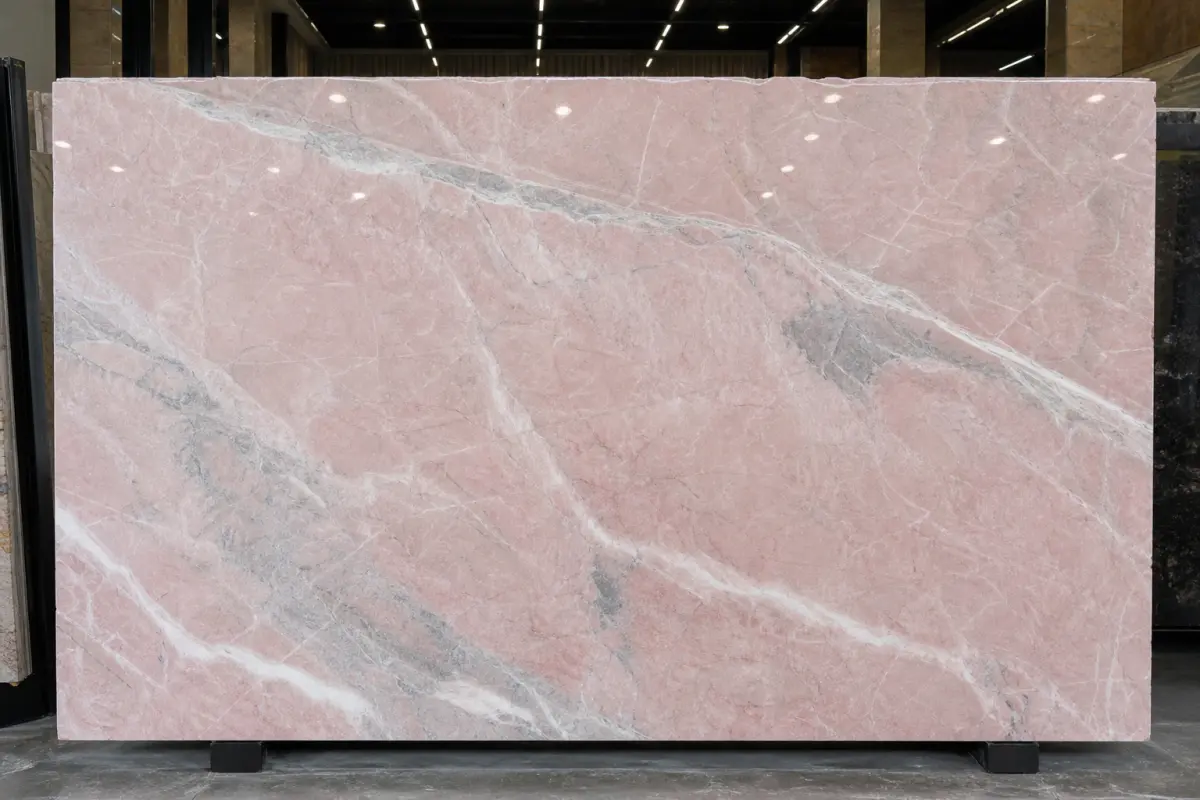
Swat green marbles serve accent and religious architecture—feature walls, dados, inlays with white field stone. Greens are rarely the main floor tonne; pair with Bampokha or Super White for contrast. Not every green is suitable for exteriors or steam showers—ask absorption and maintenance for the specific bench.
Cream, beige, and limestone-marble crossover
Punjab and Sindh markets use cream and beige stones—some true marbles, some limestones sold as marble on BOQs. They fill budget villas and commercial floors where Buner white is over-spec. When a supplier says “cream marble,” demand geology and abrasion test references if traffic is heavy.
Blocks vs slabs vs tiles: one colour map, three formats
Colour starts at the block pile. Browse raw block listings and Bampokha raw blocks when your programme cuts in-house or re-exports crude form. Slabs dominate export photography; tiles dominate domestic hotel repeats—pick format early so colour sorting happens once, not twice.
How to use this guide on StoneVaults
Filter the marketplace by material and origin fields suppliers declare, then publish RFQs that name district, colour family, thickness, finish, and allowed variation. Attach reference photos from this colour map as a starting point—not as guaranteed geology. Parallel RFQs across districts with identical specs reveal true landed value better than any legend printed on a trader’s card.
Pakistan’s marble colour chart is regional geology plus factory sorting plus road logistics. Buyers who map white, grey, black, green, and cream to districts—and then to SKUs—get predictable containers. Buyers who buy colour words alone get surprises at the port.
Regional quick reference table in prose
KP Malakand (Buner, Swat, Dir links): whites, greys, blacks, Swat greens—dense factory network, export packing experience, tax and power costs documented in StoneVaults industry notes. Balochistan (Ziarat and allied belts): whites and greys with logistics toward Quetta and Karachi. Punjab and Sindh: creams and beige stones plus re-export trade of KP material through urban showrooms. AJK and other pockets: niche colours that appear in regional BOQs—always sample before specifying on national tenders.
From colour word to contract line
Translate designer language to SKU plus district: “Buner white lobby” becomes Bampokha No.1 or Super White with thickness and finish; “grey corridor” becomes Badal or Sunny Grey with clouding limits; “green dado” becomes Swat green accent with absorption note; “black vanity” becomes Nanser-family slab with streak tolerance. Attach quarry method questions for any colour when yield affects square-metre cost on tight bids.
Keeping the map current
District names on invoices do not replace bundle photos. New leases open; old faces deplete. The StoneVaults marketplace refreshes supplier inventory faster than static PDF catalogues—use RFQs to capture today’s bundles, then lock samples for the duration of your project phases.
Common sourcing mistakes by colour
- White: Ordering “Pakistan white” without choosing Bampokha, Super White, or Ziarat class.
- Grey: Mixing Badal commercial with first-selection mock-ups on small villas.
- Black: Expecting zero veining on vanity cuts from commercial black bundles.
- Green: Using Swat green in steam showers without absorption diligence.
- Cream: Calling limestone “marble” on tender docs then failing abrasion expectations.
Cross-link industry context when pricing any colour: factory tax in Malakand research, power in load shedding notes, and yield in quarry tool guides—colour names do not exempt mills from those costs.